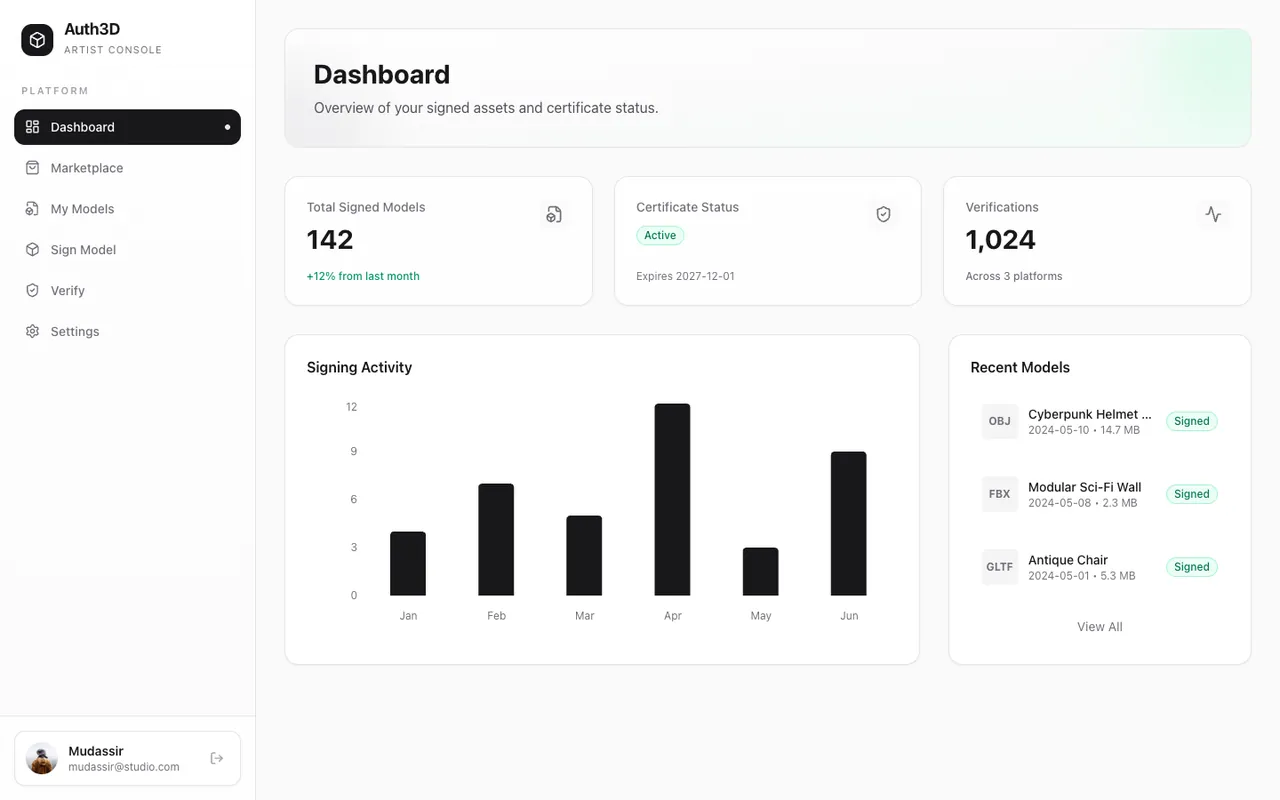
After a lot of trial and error, a stable workflow for building whole products with AI agents: define the product, have Claude Code maintain a phased progress tracker, then build, validate and log one phase at a time.
The problem
Open-ended agent sessions drift. They burn tokens re-reading and re-explaining context, start features they never finish, and produce output nobody planned. I wanted agentic development predictable enough to ship real products, UI and backend, not demos.
What I built
- Define the product and its features up front: what it is, who it's for, the stack and what's already decided.
- Have Claude turn that brief into a progress tracker (a markdown file in the repo) with phases in build order, each split into small, verifiable tasks. I review the plan before any code exists.
- Build sequentially, one phase per instruction, so each session only needs the tracker and the files that phase touches.
- Close every phase with validation (lint, build, tests, screenshots for UI), then tick the tasks off and log the change in the tracker.
- New ideas that aren't in the tracker become sub-phases to build later, never detours from the current phase.
- Let Claude Code delegate to subagents internally, and plug in tools over MCP: Figma for design, Vercel and Cloudflare for deployment, plus task-specific skills.
- Keep the agent disciplined with the Karpathy guidelines skill: think before coding, simplicity first, surgical changes, goal-driven execution.
Outcome
- Complete products, frontend and backend, built phase by phase with the tracker as the single source of truth.
- Lower token usage: sessions resume from one file instead of re-deriving the project, and scoped phases cut rework and drift.
- Predictable output: at any moment the tracker shows what's done, what's next and what's waiting on me.
- This portfolio was built the same way, from a PLAN.md and an eight-phase PROGRESS.md.